
Thai cuisine is known for its rich flavours, fresh ingredients, and different cooking techniques. Traditional Thai cooking combines sweet, sour, salty, spicy, and savoury tastes to create balanced and enjoyable meals. From quick stir-fried noodles to slow-cooked curries, every cooking method brings something special to Thai food.
Traditional Thai cooking styles helps explain why Thai dishes have such unique textures, aromas, and flavours. Ingredients like lemongrass, Thai basil, galangal, kaffir lime leaves, chilli, and coconut milk play an important role in creating authentic Thai flavours.
At Love Ping Pong, a Thai dining destination in Newstead, Brisbane, guests can explore the flavours and food traditions that make Thai cuisine popular.
What Are Traditional Thai Cooking Styles?
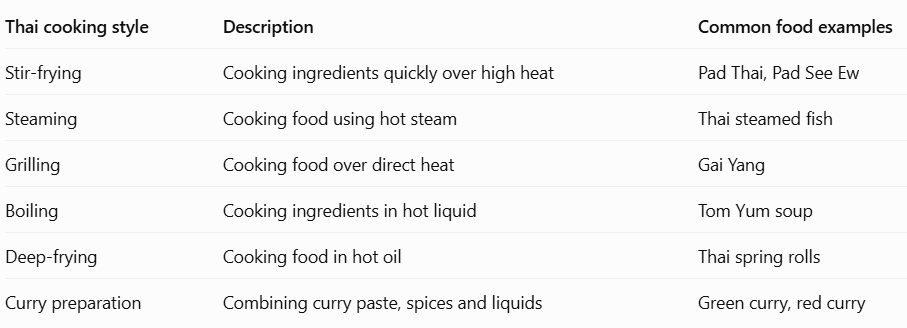
Traditional Thai cooking styles are the different methods used to prepare food in Thailand. These methods include stir-frying, steaming, grilling, boiling, deep-frying, and curry preparation.
Each technique creates a different taste and texture. Some methods keep vegetables fresh and crunchy, while others allow spices, herbs, and sauces to develop deeper flavours.
The following table explains some of the most common Thai cooking methods.
1. Stir-Frying: A Popular Thai Cooking Technique
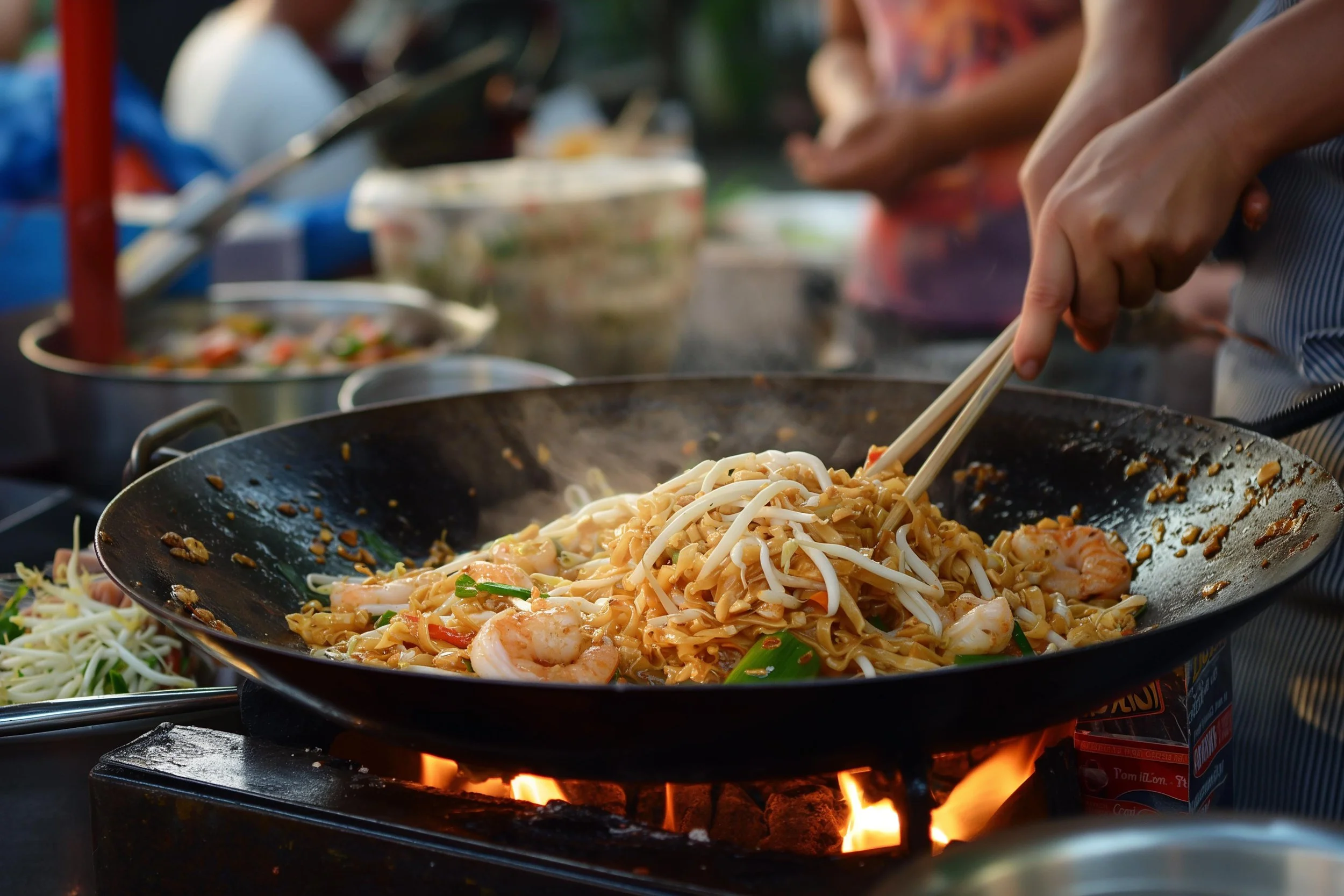
Stir-frying is one of the most recognised Thai cooking styles. It involves cooking ingredients quickly in a hot wok with a small amount of oil.
Thai chefs often combine noodles, vegetables, meat, seafood, eggs, and sauces during this process. The high heat helps ingredients cook quickly while maintaining their texture.
Popular Thai stir-fried dishes include:
Pad Thai: Rice noodles cooked with tamarind, eggs, vegetables, and other ingredients.
Pad See Ew: Wide rice noodles stir-fried with dark soy sauce and vegetables.
Pad Kra Pao: A popular Thai stir-fry featuring basil, chilli, and savoury seasoning.
Stir-frying is especially useful for creating meals with a combination of different textures and strong flavours.
2. Steaming: A Light and Healthy Cooking Method
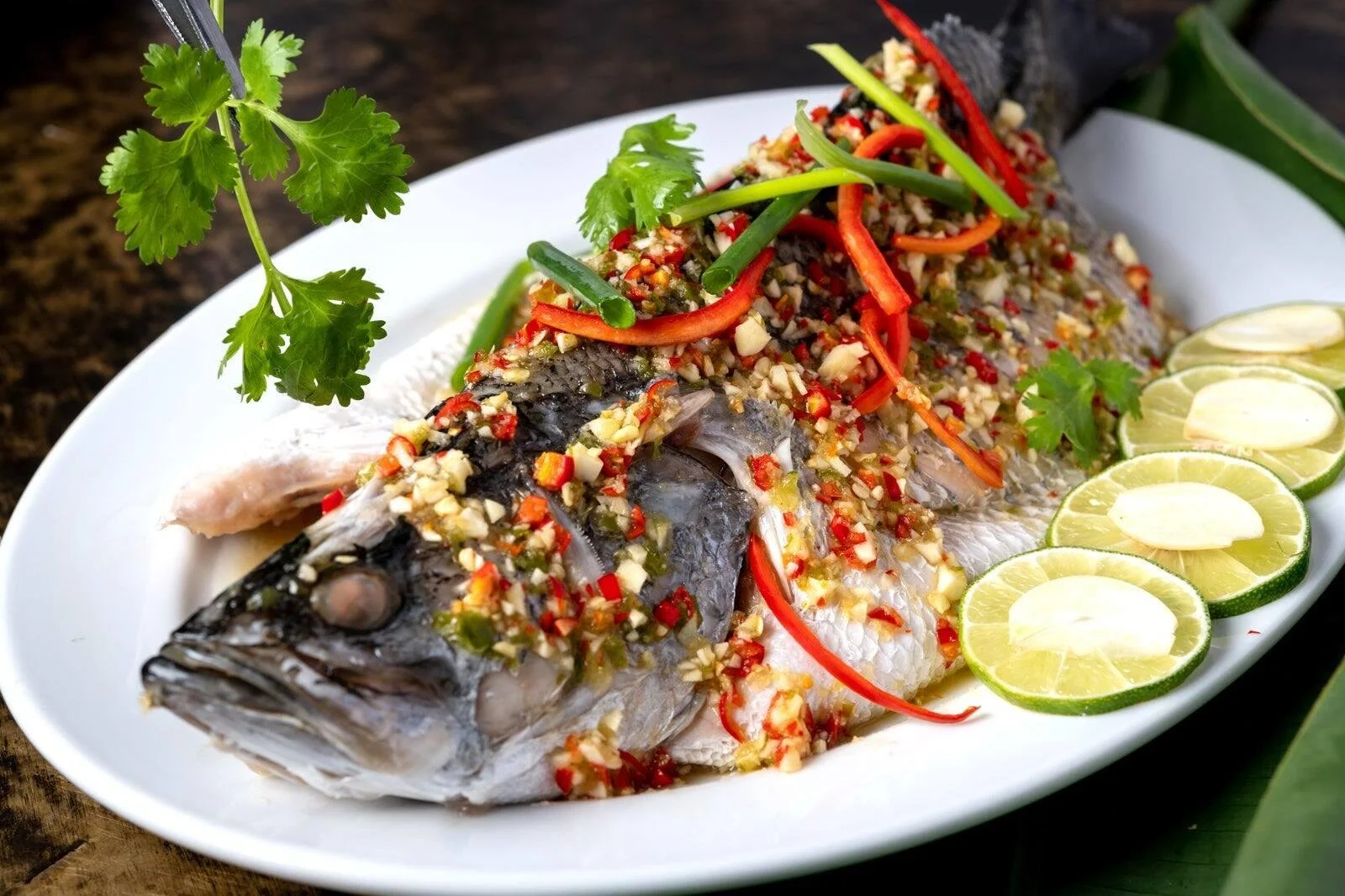
Steaming is another traditional cooking method used in Thai cuisine. Food is cooked using hot steam instead of being fried in oil.
This technique helps preserve the natural moisture, texture, and flavour of ingredients. Fish, seafood, vegetables, and other delicate ingredients are commonly prepared through steaming.
One well-known Thai dish is Pla Neung Manao. It is steamed fish served with lime, garlic, chilli, and fresh herbs.
Steaming is particularly popular among people who enjoy lighter meals with fresh and aromatic flavours.
3. Grilling: Bringing Smoky Thai Flavours
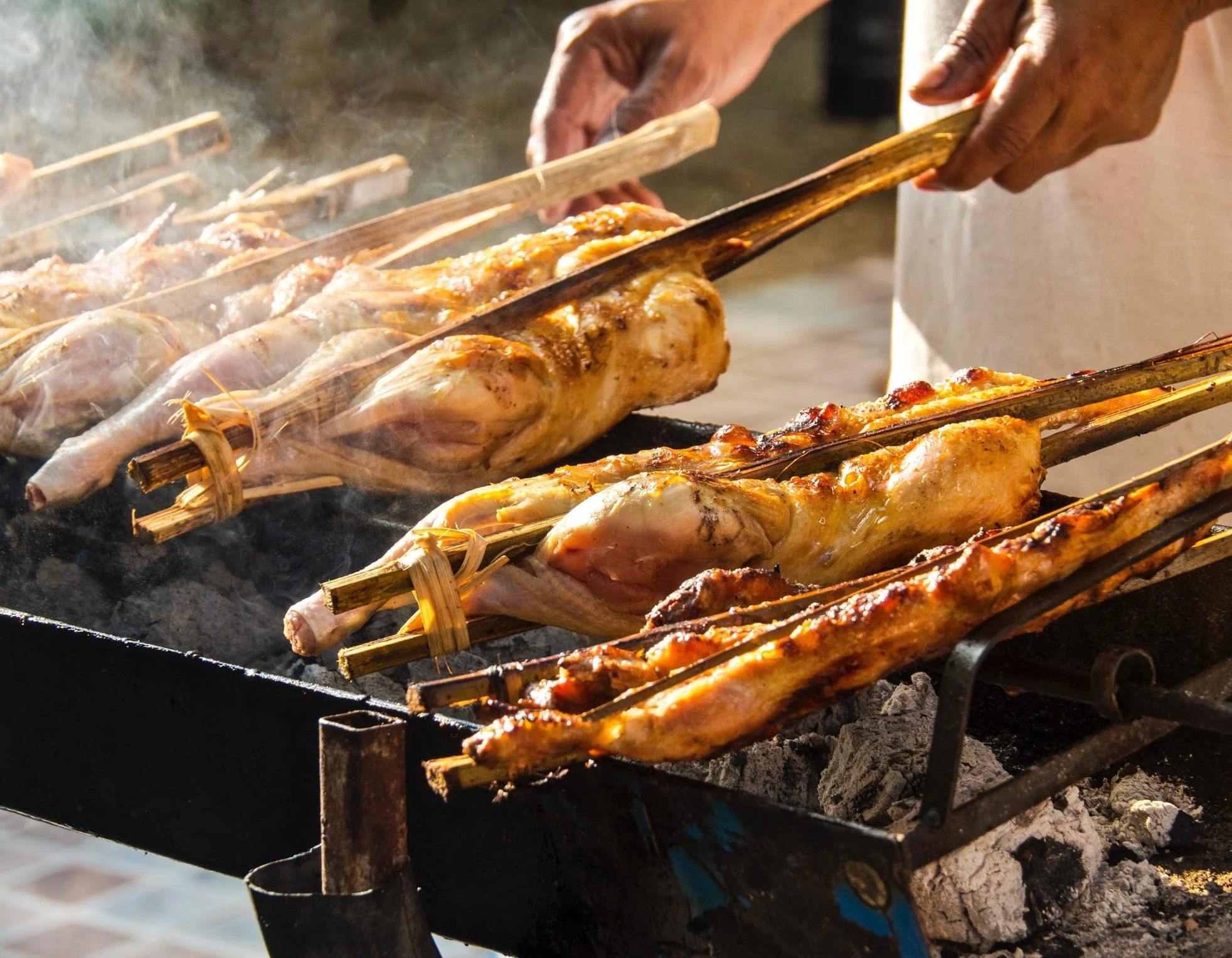
Grilling is an important part of Thai food culture, especially in traditional markets and street food areas.
Meat, seafood, and vegetables are cooked over charcoal or direct heat. This creates a smoky aroma and slightly crispy outside while keeping the inside tender.
Common examples include:
Gai Yang: Thai-style grilled chicken.
Moo Ping: Grilled pork skewers.
Pla Pao: Salt-crusted grilled fish.
Thai grilled dishes are often served with dipping sauces made using chilli, lime juice, fish sauce, garlic, and herbs.
The combination of smoky food and spicy sauces creates a distinctive Thai street food experience.
4. Boiling: The Secret Behind Thai Soups
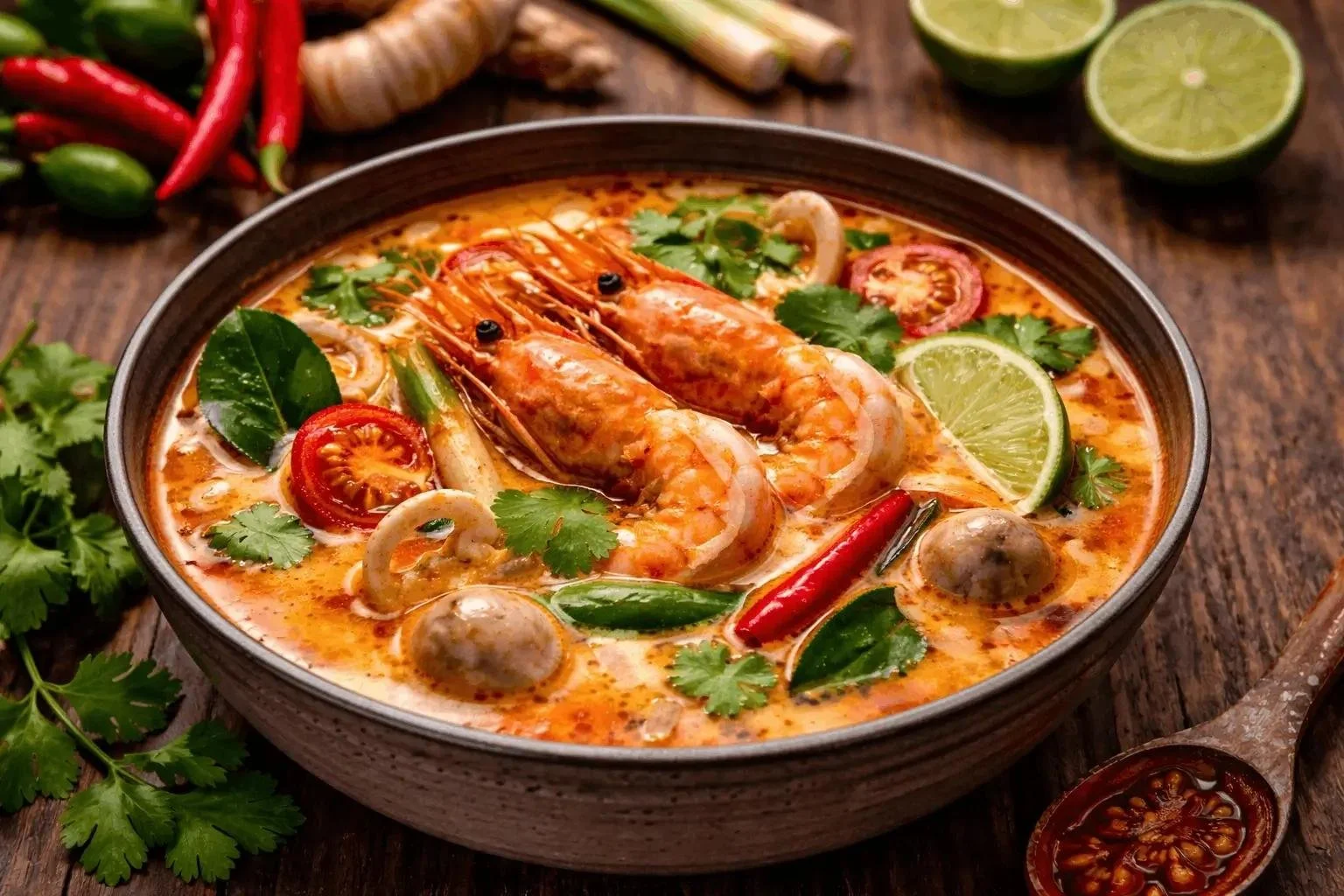
Boiling is commonly used to prepare Thai soups and broths. This cooking technique allows ingredients to release their flavours into the liquid.
Thai soups often contain aromatic herbs and spices such as:
Lemongrass
Galangal
Kaffir lime leaves
Fresh chilli
Coriander
Lime juice
Tom Yum is one of Thailand's most recognised soups. It is known for its hot, sour, and aromatic flavour.
Tom Kha is another popular Thai soup that uses coconut milk to create a creamy texture with fragrant herbs.
These soups demonstrate how simple ingredients can create complex and memorable flavours.
5. Thai Curry Preparation: A Combination of Herbs and Spices
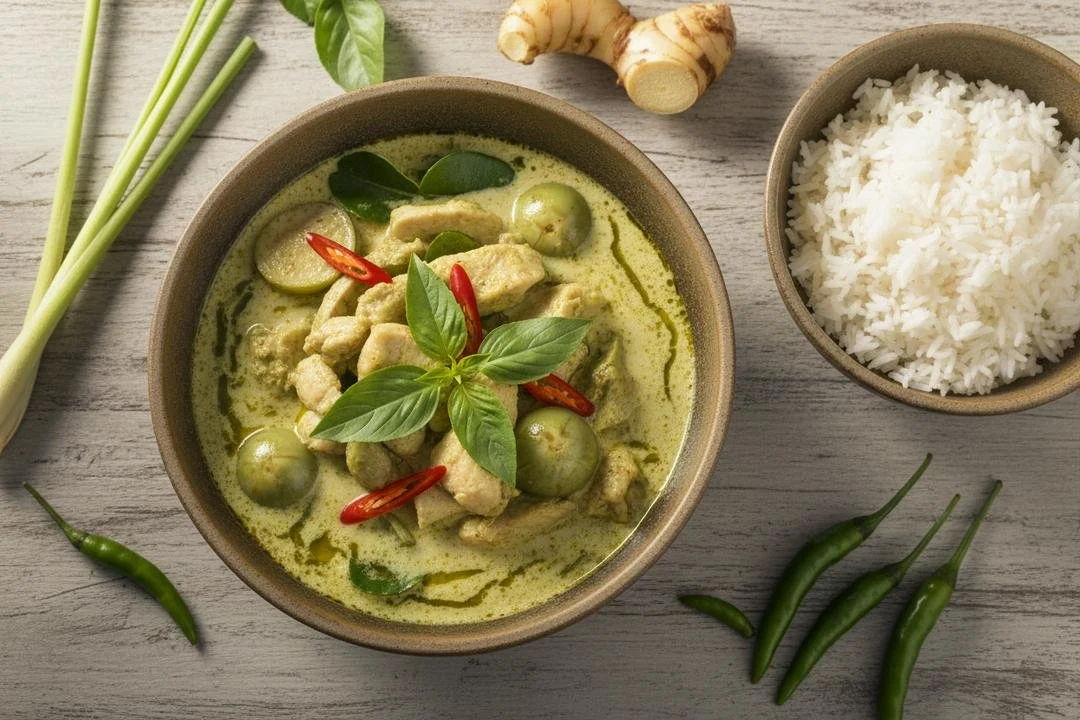
Thai curries are famous for their rich aromas, colourful appearance, and carefully balanced flavours.
A traditional Thai curry often begins with curry paste made from ingredients such as chillies, garlic, shallots, galangal, lemongrass, and spices.
Coconut milk is commonly added to create a smooth and creamy texture, although not every Thai curry uses coconut milk.
Some popular Thai curry varieties include:
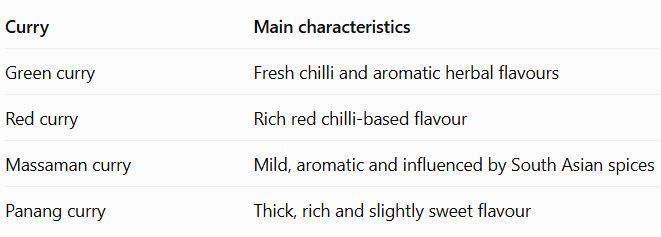
The Five Main Flavours of Thai Cuisine
One of the most interesting features of Thai cuisine is its flavour balance. Traditional Thai cooking often combines several tastes in one dish.
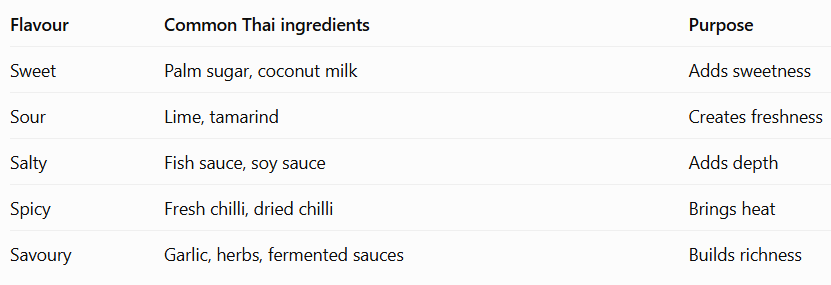
Not every Thai dish contains all five flavours equally. The balance changes depending on the recipe and regional cooking traditions.
These flavour combinations are an important part of authentic Thai cooking techniques, where fresh ingredients, traditional preparation methods, and balanced seasonings work together to create distinctive Thai dishes.
How Regional Traditions Influence Thai Cooking
Thailand has different regional food traditions, and each area has its own ingredients, flavours, and cooking preferences.
Northern Thailand: Known for aromatic curries, grilled meats, and dishes such as Khao Soi.
Northeastern Thailand (Isan): Famous for spicy salads, grilled meats, sticky rice, and Som Tam.
Central Thailand: Known for balanced flavours, coconut-based curries, and dishes such as Pad Thai.
Southern Thailand: Often features stronger spices, seafood, turmeric, and coconut-based curries.
Geography, climate, local ingredients, and cultural influences have all helped shape these regional differences.
What Makes Traditional Thai Cooking Special?
Traditional Thai cusine cooking is special because it combines different ingredients, preparation methods, and flavour profiles.
Here are some important characteristics:
Fresh herbs and aromatic ingredients are widely used.
Different cooking techniques create varied textures.
Sweet, sour, salty, spicy, and savoury flavours work together.
Regional traditions bring variety to Thai food.
Fresh vegetables, rice, noodles, seafood, and meat are common ingredients.
Sauces and seasonings help develop the final flavour of each dish.
These characteristics makes it easier to appreciate the preparation and creativity behind Thai cuisine.
Experience Thai Flavours at Love Ping Pong in Newstead
Learning about traditional Thai cooking styles is a great way to understand the food culture of Thailand. From wok-fried noodles and aromatic soups to grilled dishes and rich curries, every cooking technique contributes something different.
If you enjoy exploring Thai cuisine in Brisbane, Love Ping Pong offers an opportunity to discover Thai dining in Newstead. The restaurant has been part of the local dining scene since 2007.
Frequently Asked Questions About Thai Cooking Styles
What are the most common Thai cooking styles?
The most common Thai cooking styles include stir-frying, steaming, grilling, boiling, deep-frying, and curry preparation. Each method creates different textures and flavours.
What ingredients are commonly used in traditional Thai cooking?
Common ingredients include lemongrass, galangal, Thai basil, kaffir lime leaves, fresh chilli, garlic, coconut milk, fish sauce, lime, and palm sugar.
Why does Thai food have so many different flavours?
Thai cuisine combines sweet, sour, salty, spicy, and savoury ingredients. Their balance gives Thai dishes their distinctive taste.
Is all Thai food spicy?
No. Thai food is not always spicy. Some dishes are mild, while others contain fresh or dried chillies. Spice levels depend on the recipe and personal preference.
What is the difference between Thai stir-frying and curry preparation?
Stir-frying cooks ingredients quickly over high heat, usually in a wok. Curry preparation involves combining curry paste, herbs, seasonings, and liquids to develop a deeper flavour.